Konnob weekend project guide
Tighten First or Spray First? A Weekend Project Order Guide for Konnob Tools
Before a chair, cabinet door, planter stand or garden shelf gets a fresh coat, it needs to be stable enough to handle, turn and dry. This guide helps homeowners decide when to tighten, test and then spray.
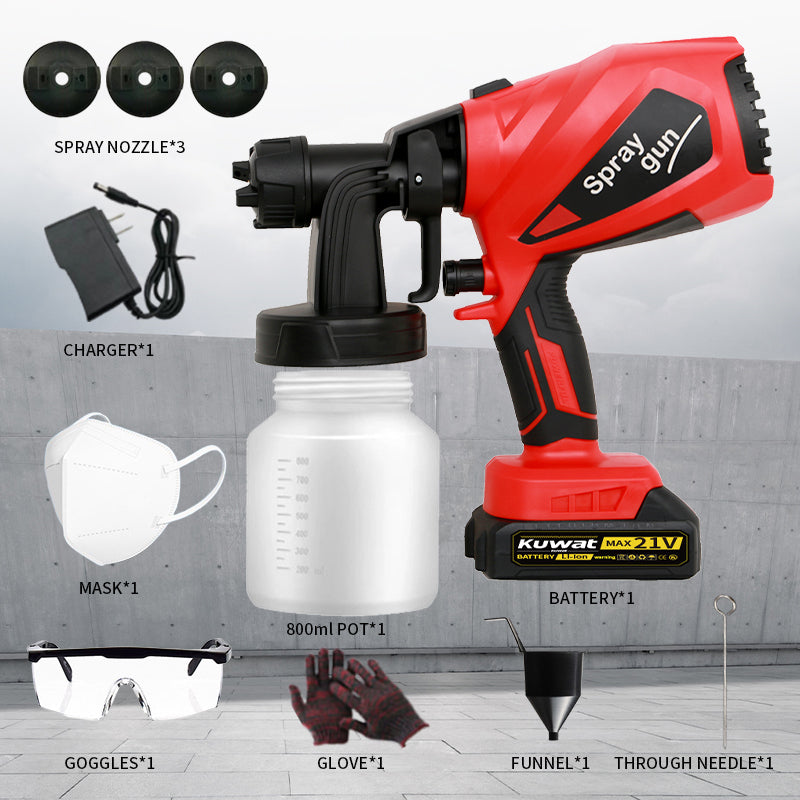
Check the Konnob cordless impact wrench or view the KUWAT cordless HVLP paint sprayer.
The simple rule: make the project steady before it gets pretty
Paint shows what is already there. If a garden chair rocks, a shelf bracket shifts, or a cabinet pull is loose, a new finish will not make the job feel finished. Start by checking the structure, then move to surface prep, then spray only when the piece can be moved without wobbling.
- Tighten first when screws, bolts, hinges or metal brackets control how the item sits.
- Clean first when dust, soil, old flakes or greasy touch points could spoil the surface.
- Spray last when the item is stable, masked, tested on scrap and ready to dry undisturbed.
Where the impact wrench fits
The Konnob cordless impact wrench is best considered before paint comes out. Use it for hardware that genuinely needs a stronger fastening tool, such as suitable bolts on a garage shelf, garden frame or workbench accessory. For delicate screws, painted trim or small hinges, hand-checking is still the cleaner finish.
The useful homeowner habit is to tighten in stages: seat the hardware, check alignment, then stop before the surface dents or the fitting twists. After that, move the piece and listen for movement. If it shifts on the test lift, it is not ready for paint.
Where the paint sprayer fits
The KUWAT 21V Cordless HVLP Paint Sprayer belongs after the project has been cleaned, masked and tested. It makes the most sense for small furniture refreshes, cabinet fronts, fence pieces, doors, garden chairs and surfaces where an even light coat is easier than brushing around edges.
Do not start with the visible face. Test the spray pattern and paint flow on scrap board or cardboard, then adjust your distance and movement. If the surface has corners or slats, plan the order before you pull the trigger: inside edges, narrow rails, broad panels, then a final visual check.
A practical weekend order
- Friday evening: choose the project and check whether it has loose fasteners, cracked paint or dirty touch points.
- Saturday morning: tighten suitable hardware, then hand-check delicate areas.
- Saturday midday: clean, sand lightly if needed, mask the areas that should not be sprayed and set up airflow.
- Saturday afternoon: test the sprayer on scrap, then use thin, steady passes.
- Sunday: let the finish settle, reinstall hardware only when the surface is ready to handle.
When to skip the spray step
Skip spraying if the item still moves, the surface is damp, the old finish is peeling badly, the wind is carrying dust, or the paint product is not suitable for your sprayer. A slower weekend with fewer mistakes is better than a fast coat over a loose project.
Editorial judgment
For most small home jobs, the right sequence is tighten, clean, test, then spray. The impact wrench helps when the project needs controlled fastening first; the HVLP sprayer helps when the surface is ready for an even finish. Treat them as a project pair, not interchangeable shortcuts.
FAQ
Should I assemble furniture before spraying it?
Usually yes for stability checks, but leave parts removable if they need separate coverage or easier drying.
Can I use an HVLP sprayer for every paint job?
No. Check the coating instructions, test flow on scrap and avoid spraying when the surface or weather is not suitable.
Is an impact wrench needed for small DIY projects?
Only for suitable fasteners and heavier hardware. Small screws, trim and hinges often need a lighter hand check.
Share:
Gate, Slope or Shed Corner? A Cordless Lawnmower Fit Check for Small Yards
Start Far, Test Small: A FirstT Guide to Using the Konnob Water Spray Gun